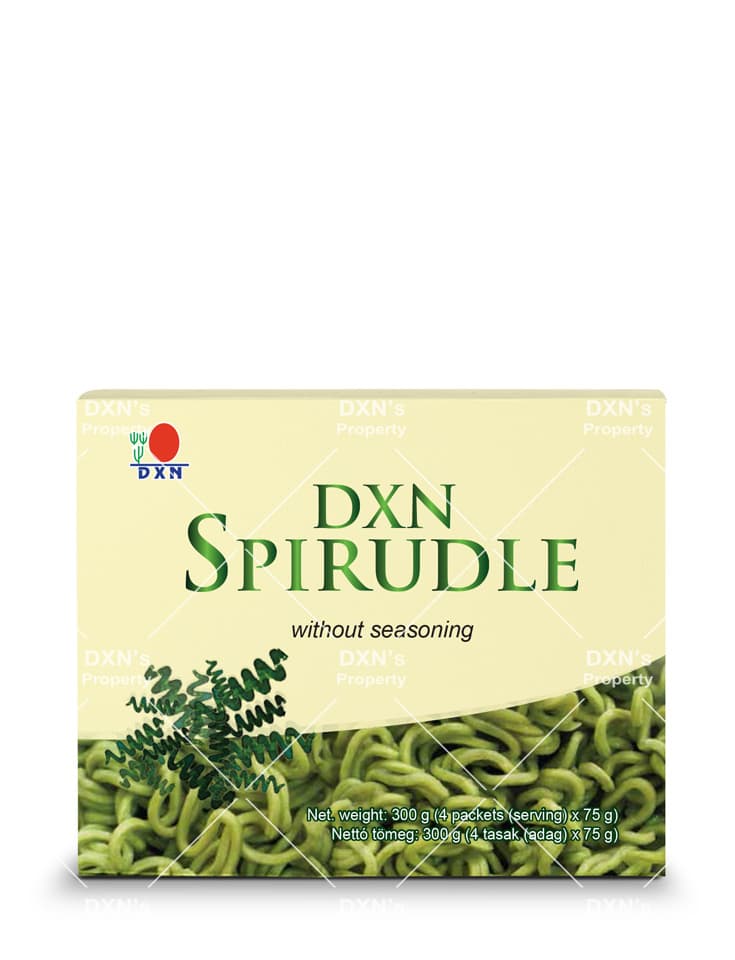
Spirulina
A blue-green micro-alga from alkaline lakes, harvested for centuries in Mexico and around Lake Chad.
Introduction
Spirulina (Arthrospira platensis) is not a plant but a cyanobacterium, a microscopic "blue-green alga". It grows naturally in warm, highly alkaline lakes (pH 8.5 to 11). Dried, it is very rich in protein: about 60 to 70% of its dry weight, according to Memorial Sloan Kettering and the FAO.
History
Sixteenth-century Spanish accounts describe the Aztecs harvesting a green paste called techuitlatl near Tenochtitlan and drying it into cakes. On the other side of the world, Kanembu women on the shores of Lake Chad still filter spirulina to make cakes called dihé. French botanist Pierre Dangeard described it in 1940, and the Léonard expedition of 1964–65 brought it to scientists' attention (FAO, 2008).
Traditional uses
In Chad, dihé is crumbled into a tomato and chilli sauce served with millet. Today spirulina is mostly taken as tablets or as a powder stirred into juice, smoothies or yoghurt.
Scientific studies
A 2018 meta-analysis of 12 clinical trials (807 people) found lower total cholesterol, LDL and triglycerides in people taking spirulina, with no effect on HDL, body weight or HbA1c. Spirulina is a food supplement, not a medicine.
Precautions
- Choose a tested product: spirulina grown in polluted water can contain toxins (microcystins) or heavy metals.
- Not advised for people with phenylketonuria (it contains phenylalanine) or an autoimmune condition.
- It may affect blood clotting: take care with blood thinners.
- Talk to your doctor before taking it, especially during pregnancy or breastfeeding.
Further reading: Harvard Health · Memorial Sloan Kettering
Videos
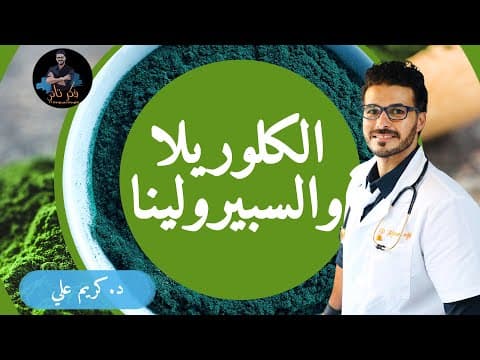 (Arabic) Dr Kareem Aliالسبيرولينا والكلوريلا / كل ما يجب معرفته _ ايهما افضل وما يجب الحذر منهWatch on YouTube (opens in a new tab)
More videos
- (Arabic) Dr Mohamed Fayed – طحالب السبيرولينا غنية بالكلوروفيل | الدكتور الفايد (opens in a new tab)
- (English) Dr Michael Greger – NutritionFacts.org – The Benefits and Side Effects of Spirulina (opens in a new tab)
- (English) Dr Josh Axe – Health Benefits of Spirulina (opens in a new tab)
- (French) Allo Docteurs – La spiruline est-elle vraiment un aliment miracle ? (opens in a new tab)
Studies and sources
- Quantifying the effects of spirulina supplementation on plasma lipid and glucose concentrations, body weight, and blood pressure
Meta-analysis of 12 trials (807 people): lower total cholesterol, LDL and triglycerides; no change in HDL, body weight or HbA1c.
- A review on culture, production and use of spirulina as food for humans and feeds for domestic animals and fish
FAO report on the history of spirulina (Aztecs, Lake Chad), how it is grown and its nutritional value.
This information is for discovery only. It does not replace advice from a health professional.